

Depositary Banking & Custody Services
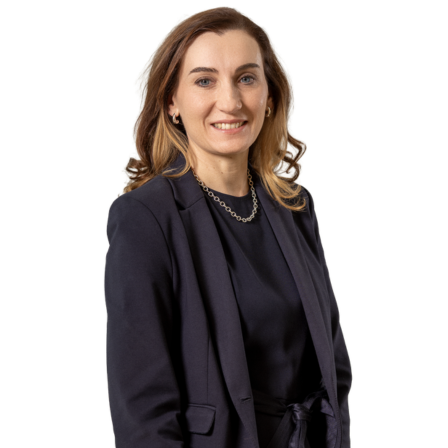
Brenda Bol on the Depositary Banking Cluster’s priorities
Published on 12 November 2026
Brenda Bol, Chair of the ABBL Depositary Banking Cluster, discusses the Cluster’s priorities on market practices, regulatory advocacy, innovation and skills development following its annual conference on 29 October.
Summary
From regulatory change to operational practices and skills development, Luxembourg’s depositary banks share a demanding agenda. Following the annual Depositary Banking Cluster conference on 29 October, Hélène Lange speaks with Brenda Bol, Chair of the ABBL Depositary Banking Cluster, about the priorities shaping its work.
The discussion covers the Cluster’s four pillars, setting standards, advocacy, innovation and talent, and the concrete initiatives under way, from revised asset-inventory guidelines and regulatory engagement to AI, digitalisation and the future depositary banking certification.


Regulatory developments affect our processes, technology changes how we work, and both require expertise. The Cluster provides a forum to address these developments together.
Brenda Bol
Chair of the ABBL Depositary Banking Cluster and Member of the ABBL Board of Directors - Country Head Luxembourg, Cecabank
 Four pillars for a shared agenda
Hélène Lange: You have structured the Cluster’s work around four pillars. What connects them?
Brenda Bol: Our four pillars are setting standards, advocacy, innovation and talent. They reflect the different ways in which collective work can help depositary banks fulfil their responsibilities and develop their activities.
We bring practitioners together to improve market practices, maintain dialogue with regulators and other stakeholders, explore how technology can support depositary controls, and develop the skills our industry needs.
These priorities are closely connected. Regulatory developments affect our processes, technology changes how we work, and both require expertise. The Cluster provides a forum to address these developments together.
 Setting standards through common practices
Hélène Lange: What does setting standards mean in practice?
Brenda Bol: It means identifying areas where clearer, more consistent practices can make a difference to daily operations. The working group on year-end asset inventories, led by Laurent Born from BNY, is a good example.
The group is reviewing the ABBL guidelines published in 2021. Its work addresses practical challenges: agreeing timelines earlier, clarifying responsibilities, improving communication between depositaries, fund managers and auditors, and developing common templates.
The aim is to make an important and demanding exercise more predictable for everyone involved.
Discussions with the CSSF and engagement with auditors and industry associations will help ensure that the revised guidelines reflect supervisory expectations and can be used consistently across the market.
 Regulatory priorities: T+1, ESG and the depositary passport
Hélène Lange: On advocacy, which regulatory developments require the most attention?
Brenda Bol: As Marilyn Rinck explained during the conference, three workstreams deserve particular attention: T+1 settlement, prudential ESG transition plans under CRD VI, and the Market Integration and Supervision Package, including the proposed depositary passport.
T+1 requires preparation across the entire service chain. Shorter settlement windows leave less time to resolve errors, making data quality, automation and coordination with counterparties essential.
For ESG risk management, our dialogue with the CSSF highlights the specific characteristics of custody and depositary business models. The analysis should reflect their actual risks. Assets under custody should not automatically be treated as the bank’s own prudential exposures.
The proposed passport raises strategic questions about eligibility, supervisory responsibilities, liability and investor protection.
The framework remains under negotiation. Our role is to bring members’ practical experience into these discussions and ensure that the implications for depositary activities are properly understood.
 Turning supervisory dialogue into practical guidance
Hélène Lange: How does dialogue with the CSSF support that work?
Brenda Bol: Direct exchanges help us connect regulatory and supervisory expectations with the situations depositaries encounter in practice.
The conference offered an opportunity to discuss areas such as ownership verification, valuation oversight and the respective responsibilities of depositaries and fund managers.
That dialogue also supports specific projects. For the asset-inventory guidelines, technical questions have been submitted to the CSSF to help align the revised document with its expectations.
The Cluster brings together questions that may otherwise be raised separately by individual institutions. This helps identify common challenges and creates a basis for more focused discussions.
Read the Survey
Hélène Lange
Head of Business Coordination, ABBL
Published on 12 November 2026