

Digital, Innovation, Payments
Luxembourg’s CASP momentum: MiCA turns digital assets into a regulated financial ecosystem
Published on 02 July 2026
MiCA is accelerating the integration of digital assets into Europe’s regulated financial system. Discover how Luxembourg’s growing number of authorised CASPs is shaping the future of digital finance.
Summary
As Europe’s new crypto framework takes effect, Luxembourg is attracting a growing number of regulated digital asset players. Beyond the authorisations themselves, a broader trend is emerging: digital assets are becoming part of mainstream financial infrastructure.
 A turning point for digital assets
For years, crypto-assets developed largely outside the regulatory frameworks governing traditional financial services. That is now changing.
With the implementation of the European Markets in Crypto-Assets Regulation (MiCA), digital asset activities are entering a harmonised regulatory framework covering governance, investor protection, safeguarding of assets, operational resilience and supervision across the European Union.
The transition from the former Virtual Asset Service Provider (VASP) regime to the new Crypto-Asset Service Provider (CASP) framework marks more than a regulatory update. It signals the gradual integration of digital assets into Europe’s regulated financial ecosystem.
For Luxembourg, the question is no longer whether digital assets will become part of the financial landscape, but how the country can position itself in this next phase of market development.
CASPs already authorised in Luxembourg
- B2C2 Europe S.à r.l.
- Banking Circle S.A.
- Bitstamp Europe S.A.
- Bridge Building S.A.
- Clearstream Banking S.A.
- Coinbase Luxembourg S.A.
- STOKR S.A.
- Standard Chartered Luxembourg S.A.
- Swissquote Bank Europe SA
- Zodia Custody (Europe) S.A.
- bitFlyer EUROPE S.A.
More authorisations are expected as MiCA implementation progresses across Europe.
 Institutional players are entering the market
The growing list of authorised CASPs in Luxembourg provides a first indication of this evolution, and they are already operating under the new framework.
What makes this development particularly noteworthy is the increasing presence of established financial institutions and market infrastructure providers.
Swissquote Bank Europe, Clearstream Banking and Cecabank illustrate a broader trend visible across Europe: digital assets are no longer the exclusive domain of specialist crypto firms. Banks, custodians and post-trade infrastructure providers are increasingly positioning themselves within the emerging ecosystem.
Their involvement reflects growing demand from institutional investors seeking access to digital assets within a regulated environment and through providers they already know and trust.
Their involvement reflects growing demand from institutional investors seeking access to digital assets within a regulated environment and through providers they already know and trust.


MiCA provides the regulatory clarity needed to bring crypto-asset services into a trusted banking environment. For clients, this means access to digital assets through an institution operating in accordance with robust European standards for governance, transparency and investor protection.
Dave Sparvell
CEO of Swissquote Bank Europe and Chair of ABBL Innovation cluster
 Building on Luxembourg’s traditional strengths
This evolution plays to Luxembourg’s established strengths as an international financial centre.
The country has developed deep expertise in custody, depositary banking, fund servicing, payments and market infrastructure. As digital assets become increasingly regulated, these capabilities are becoming relevant far beyond traditional securities markets.
Crypto custody, tokenisation services, digital asset transfers and trading infrastructure are increasingly converging with established financial services.

Digital assets will only scale institutionally if they are connected to trusted custody, settlement and post-trade infrastructure. Luxembourg has a strong role to play in bridging traditional securities markets and the emerging tokenised asset ecosystem.
Philippe Seyll
Chief Executive Officer Clearstream Fund Centre
The trend is not limited to Luxembourg. Across Europe, banks and specialised service providers are exploring how to combine traditional financial expertise with digital asset capabilities.
Cecabank’s recent move into crypto-asset custody reflects this evolution and highlights the growing role of regulated financial institutions in supporting clients entering the digital asset market.
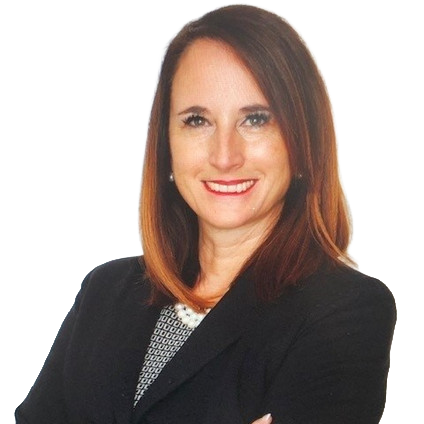
For banks, crypto custody is becoming part of the broader institutional services value chain. The next phase will be about combining regulatory compliance, operational resilience and depositary banking expertise to support clients entering the digital asset space.
Brenda Bol
Country Head, Managing Director from Cecabank,SA, Branch in Luxembourg
From innovation to financial infrastructure
The significance of MiCA extends beyond individual authorisations.
By providing a common European rulebook, the regulation is helping transform digital assets from a fragmented market into a more structured financial ecosystem. This creates greater certainty for investors, service providers and financial institutions alike.
More entities are expected to enter the CASP framework in the coming months as MiCA implementation progresses across Europe. The direction of travel, however, is already becoming clear.

What we are witnessing is the gradual integration of digital assets into the regulated financial sector. MiCA provides the common framework, but the real opportunity lies in bringing together the expertise that Luxembourg has built over decades in banking, custody, fund servicing and market infrastructure. The strong engagement within ABBL’s Tokenisation and DLT Working Group shows that the industry is preparing for this next phase. The future of digital finance will not be built alongside traditional finance, but increasingly within it.
Andrey Martovoy
Senior Adviser - Innovation & Digital, ABBL

Andrey Martovoy
Senior Adviser - Innovation & Digital, ABBL
Published on 02 July 2026