

Private Banking & Wealth Management
Wealth management in 2030: structural change, generational shift and Luxembourg’s positioning
Published on 22 February 2026
In a recent interview with Paperjam Club, Ananda Kautz, Member of the Management Board of the ABBL, outlined the structural transformations reshaping wealth management and the implications for Luxembourg’s financial centre. Her analysis points to three interlinked dynamics that will define the decade ahead: a historic transfer of wealth, a profound evolution in client expectations and the need for Luxembourg to reinforce its strategic positioning.
Summary
A generational turning point for the industry
Wealth management is entering a phase marked by an unprecedented intergenerational transfer of assets. Over the next 25 years, more than USD 100 trillion is expected to move to younger generations, including nearly USD 18 trillion within the next five years alone.
This transition is reshaping the client landscape. Wealth holders are becoming younger, more internationally mobile and digitally confident. The shift is not driven by inheritance alone. A growing number of entrepreneurs, particularly in technology-driven sectors, are creating and realising wealth earlier in life, accelerating the transformation of the traditional private banking client profile.
These clients often operate across multiple jurisdictions, increasing regulatory, tax and reporting complexity. In this environment, Luxembourg’s expertise in cross-border structuring, its regulatory credibility and its political stability constitute a significant competitive advantage.
However, one of the most pressing challenges for private banks lies in client retention. A large majority of next-generation wealth holders indicate that they are willing to reconsider their banking relationships shortly after inheriting. The determining factor is rarely performance alone. It is the overall alignment between expectations and the service experience that proves decisive.
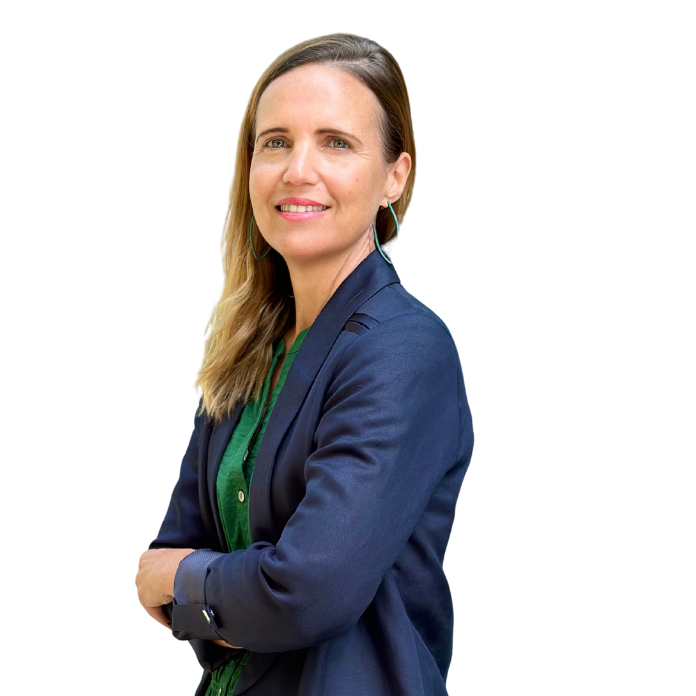

This is not a cyclical adjustment. Wealth management is undergoing a structural transformation that requires new tools, new skills and a renewed focus on intergenerational alignment.
Ananda Kautz
Member of the Management Board of the ABBL
From digital transformation to frictionless interaction
Looking ahead to 2030, the central issue is not whether technology will play a role, but how deeply it will transform operating models.
Future clients will expect personalised advice, full transparency and rapid execution as standard. Ease of interaction will carry as much weight as the quality of investment expertise. Standardised approaches will no longer be sufficient in a context where expectations are increasingly individualised.
Technology therefore becomes a strategic necessity. Automation, artificial intelligence and advanced data capabilities are essential to managing regulatory complexity, improving efficiency and strengthening profitability. When deployed coherently, digital tools can convert compliance obligations into operational advantages.
At the same time, the human dimension remains fundamental. Key life events, succession decisions and governance discussions require trust, judgement and experience. Increasingly, families are concerned not only with the transfer of assets, but also with the transmission of values, governance frameworks and long-term purpose. This dimension of intergenerational planning is expected to gain further importance over the coming years.
Consolidating Luxembourg’s competitive edge
To remain competitive by 2030, Luxembourg must continue to move up the value chain, focusing on areas where it has established expertise: wealth structuring, investment advice, succession planning and cross-border solutions.
As client needs grow more complex, operational excellence, strong controls and disciplined resource allocation will be essential. Clients increasingly expect access to private market investments, co-investment opportunities and complementary advisory services. In a competitive international environment, long-term loyalty depends on consistent, high-quality execution.
At the same time, the expectations of Next Generation clients are reshaping the market. Hybrid advisory models, enhanced transparency on fees and risks and the meaningful integration of sustainability and impact considerations into mandates are becoming mainstream requirements. By combining digital capabilities with regulatory reliability and a broad international product ecosystem, Luxembourg can further strengthen its position as a leading hub for intergenerational wealth structuring.
With the vast majority of private banking clients originating from Europe and renewed interest from Latin America, the ambition remains clear: continued growth in assets under management through disciplined execution and strategic positioning.
The ABBL’s contribution
As the representative body of Luxembourg’s banking sector, the ABBL actively supports this transformation. Through its working groups, dialogue with public authorities and industry initiatives, the ABBL contributes to shaping a framework that enables banks to innovate while maintaining high standards of governance, compliance and client protection.
By fostering discussion on digitalisation, cross-border services, sustainability and intergenerational wealth planning, the ABBL aims to ensure that Luxembourg’s financial centre remains competitive, forward-looking and aligned with evolving client expectations.
These themes are also central to the discussions taking place within the broader industry ecosystem, including at the Paperjam 10×6 conference dedicated to Wealth 2030.