

Digital, Innovation, Payments
Beyond the hype: Bruce Schneier on navigating major technological transformations
Published on 21 May 2026
The ABBL recently hosted an exclusive fireside chat with Bruce Schneier, one of the world’s leading voices on cybersecurity, digital trust and technology governance. The discussion brought together senior leaders from Luxembourg’s financial ecosystem to explore how AI, digital dependency and evolving technologies are reshaping operational resilience and competitiveness.
Summary
The ABBL recently hosted an exclusive fireside chat featuring Bruce Schneier, a globally recognised authority on cybersecurity, digital trust and technology governance.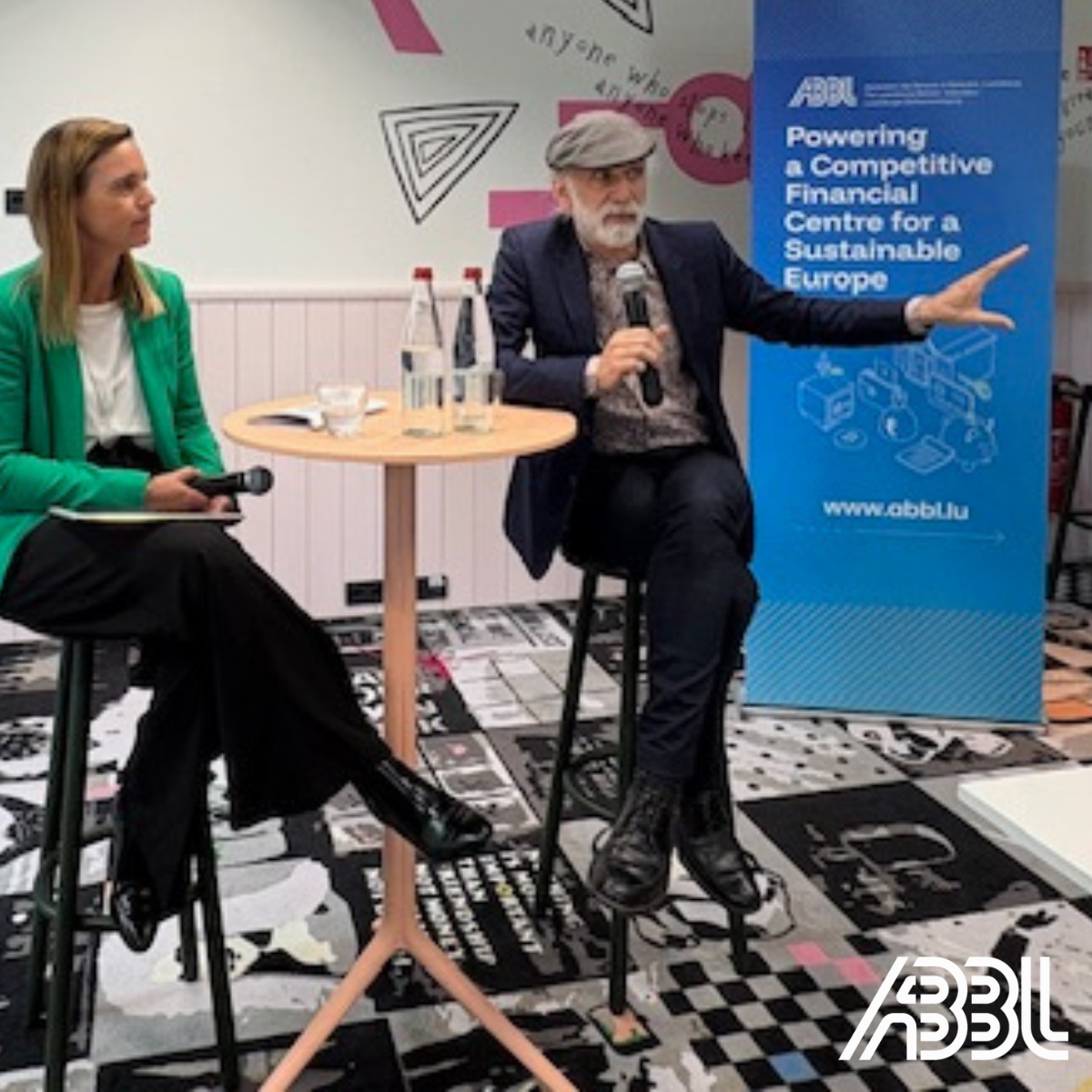
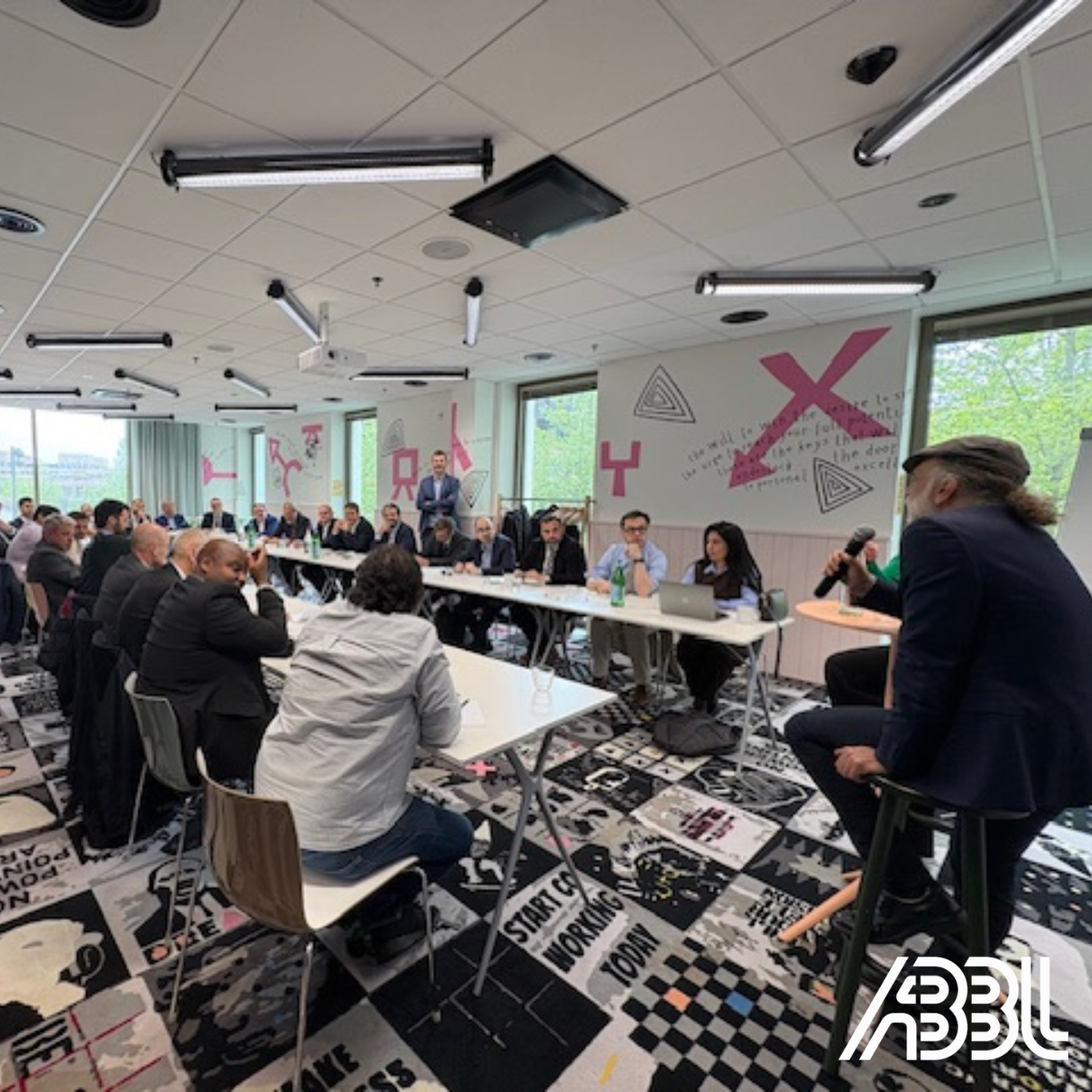
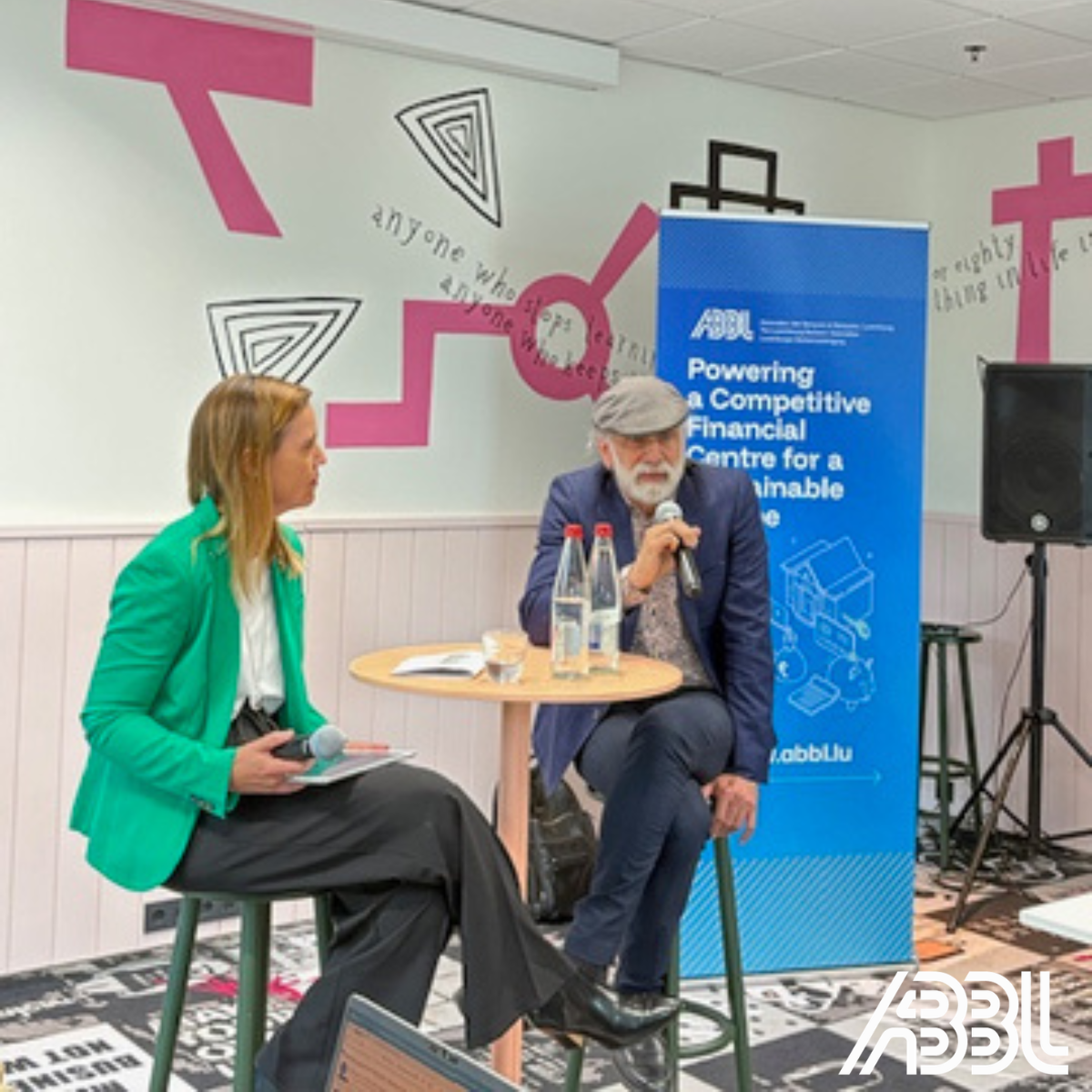
Moderated by Ananda Kautz, Member of the Management Board of the ABBL, the session brought together senior leaders from across Luxembourg’s financial ecosystem, including CEOs, CIOs and CISOs, to discuss what Schneier described as a “major transformation” driven by AI adoption, new competition models and evolving payment ecosystems.
As the sector becomes increasingly digital and interconnected, the discussion moved beyond immediate regulatory compliance to address broader strategic themes including trust, operational resilience, cloud dependency and the concentration of technological power.


As Luxembourg’s financial centre becomes increasingly digital and interconnected, questions of operational resilience, cybersecurity, trust and digital sovereignty are becoming strategic priorities. Beyond regulatory topics, the ABBL aims to foster forward-looking discussions on how Luxembourg can remain competitive.
Ananda Kautz
Member of the Management Board of the ABBL
A coordinated effort across the industry
The event also reflects the broader work carried out by the ABBL through its Trust and Cybersecurity Working Group, which promotes cooperation across the financial ecosystem to strengthen the security, resilience and competitiveness of Luxembourg’s financial centre.
“Cybersecurity and trust are not just technical topics, they are at the core of financial stability and client confidence,” says Andrey Martovoy, Senior Adviser, Innovation & Digital at the ABBL. “The ABBL acts as a catalyst for cooperation between banks, service providers and regulators, ensuring that Luxembourg’s financial sector remains both innovative and resilient.”
In 2025–2026, the Working Group will continue to expand its engagement with members, regulators and technology providers to help shape a proactive cybersecurity agenda, aligning innovation with trust and reinforcing Luxembourg’s position as a secure and forward-looking financial hub in Europe.
The “jagged edge” of AI and the power of orchestration
Bruce Schneier described the current state of AI as a “jagged edge”: a technology capable of solving highly complex problems while still failing at certain forms of basic reasoning and contextual understanding.
For financial leaders, this highlights an important distinction between interpolation and genuine “leaps” in understanding.
While the “human + machine” model currently remains the most effective approach, Schneier noted that institutions should increasingly focus on human-led orchestration, using specialised and smaller AI agents rather than relying exclusively on a single large frontier platform.
Cybersecurity: reclaiming the defender’s advantage
Addressing the rise of AI-powered threats, Schneier nevertheless provided a relatively optimistic outlook: in the long term, the advantage may ultimately belong to defenders.
While attackers can use AI for speed and scale, defenders can equally leverage it to identify and patch vulnerabilities at unprecedented levels.
To support this shift, Schneier encouraged institutions to develop:
- crypto-agility, meaning the ability to adapt algorithms and security strategies rapidly;
- more resilient infrastructures;
- and eventually “self-healing networks” capable of responding automatically to vulnerabilities and attacks.
Digital sovereignty and the “European tech stack”
A central theme of the discussion concerned the systemic risks linked to the concentration of global cloud and AI providers.
Schneier argued that the era of unconditional trust in a single international technology provider is coming to an end and advocated for the development of a more sovereign European technology ecosystem.
While full independence remains a complex long-term objective, diversification is increasingly viewed as essential to ensuring that Luxembourg’s financial infrastructure remains resilient in a changing geopolitical environment.
The talent challenge and the “apprentice problem”
One of Schneier’s strongest messages concerned the future of human expertise.
He warned of an emerging “apprentice problem” in intellectual professions such as law, coding and investment advisory. If AI progressively replaces entry-level roles traditionally occupied by junior professionals, organisations risk weakening the mechanisms through which future senior experts are developed.
For financial institutions, this raises important questions around:
- talent development,
- knowledge transfer,
- and the future availability of senior human expertise capable of supervising increasingly autonomous systems.
Agility as the ultimate strategy
Schneier’s concluding message focused on the importance of strategic agility.
Because technology evolves at exceptional speed — often making knowledge obsolete within months — institutions should avoid fixed technological bets and instead invest in their capacity to adapt continuously.
For Luxembourg’s financial sector, the discussion reinforced a broader strategic message: trust, cybersecurity, resilience and competitiveness are becoming increasingly interconnected priorities for the future of European finance.

Andrey Martovoy
Senior Adviser - Innovation & Digital, ABBL
Published on 21 May 2026